
Teaching and Educational Design: Two Sides of the Same Coin
Education is often described as the transfer of knowledge, a process of moving information from the mind of the teacher into the mind of the learner. But this metaphor is inadequate. It reduces teaching to logistics and learning to consumption, obscuring the relational, creative, and transformative nature of education.
Over the past two decades, my practice as both teacher and educational designer has convinced me that education is less about transfer and more about encounter. Whether I am in front of a group of primary school pupils, a class of university students, or a team of professionals, my task is to create spaces where people can explore who they are, what they value, and how they wish to relate to the world.

At the same time, my work as an educational designer — developing curricula, games, toolkits, and immersive experiences — has shaped the way I teach. Classroom encounters generate insights that design helps to stabilize and extend. Design, conversely, pushes me to think systematically and structurally, refining the intuition I bring into live teaching. Teaching and design are therefore inseparable: two practices that constantly mirror, test, and strengthen each other.
Here I describe my approach to teaching and educational design, the philosophical commitments that underpin it, and the creative sparks that make it my own.
The Full Participant
I always begin from the conviction that every learner is already whole. Education is not about “fixing” or “finishing” someone. Learners are always in motion — simultaneously complete and unfinished. My role is to accompany that movement, briefly and attentively, providing conditions in which it can unfold.
This perspective aligns with Gert Biesta’s distinction between the three functions of education: qualification, socialization, and subjectification (The Rediscovery of Teaching, 2017). Subjectification, or what Biesta calls “the opening of the world,” is especially central to my thinking on education. Education is not only about acquiring skills or fitting into social systems; it is also about encountering otherness, being disrupted, and responding to the question of how to exist in the world as a subject among others.
My classes and designs therefore function as invitations: to stumble upon something dissonant or surprising, to confront the unfamiliar, and to respond in ways that are personal and authentic.

Giving Fully and Letting Go
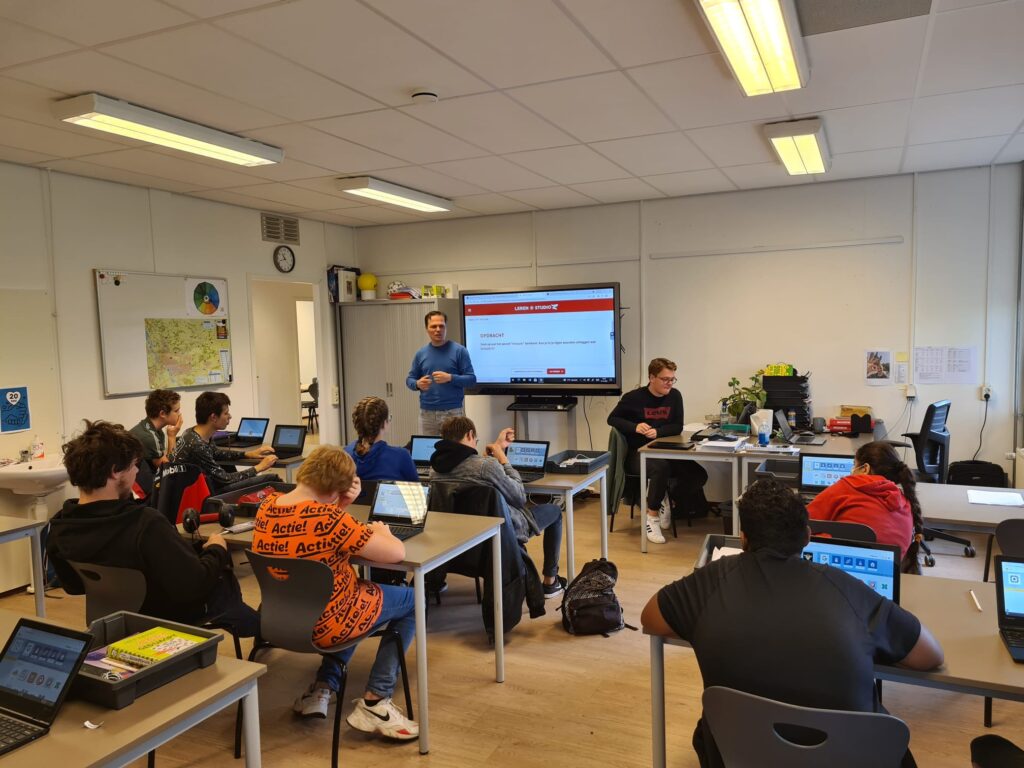
Teaching requires full presence. I bring energy, enthusiasm, and conviction into the room. Yet teaching also requires the opposite: the courage to let go. A lesson is not the execution of a script but the facilitation of an encounter. Teaching is a risky endeavour.
This tension — between planning and improvisation — defines my practice. I come prepared, but I am willing to abandon the plan if the moment demands it. The group’s energy becomes my compass.
This demands vulnerability. As Brené Brown argues (Daring Greatly, 2012), vulnerability is not weakness but the root of courage. When I allow myself to be visible — in doubt, in excitement, in failure — I invite students to do the same. This openness creates a climate in which learning can occur.
Learning as a Shared Practice
Education is not solitary; it is collective. Etienne Wenger’s theory of communities of practice (1998) describes learning as a fundamentally social phenomenon: knowledge is constructed through shared action, dialogue, and the negotiation of meaning.
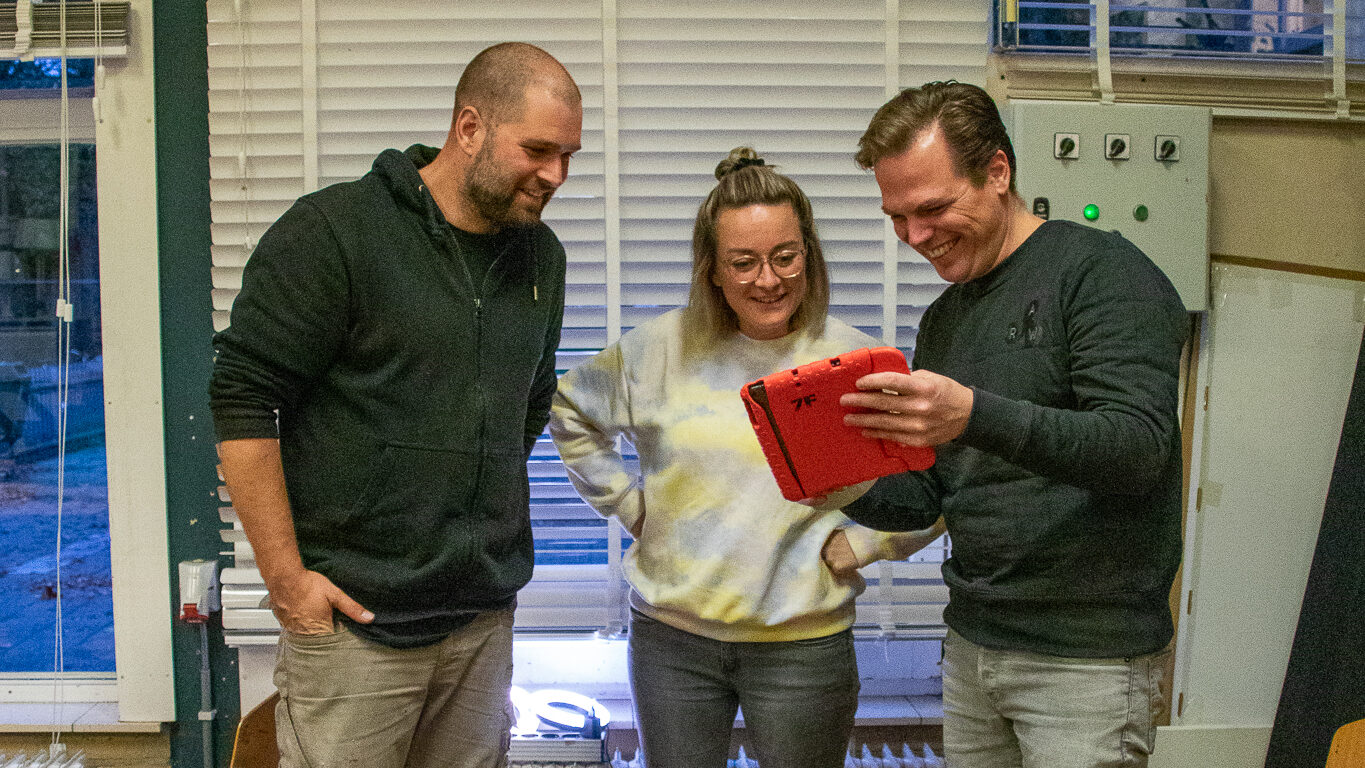
I see every group I teach as such a community, even if it only exists for the duration of a single workshop. Learning takes place in interactions: in the shared act of making, in collective reflection, in the stories that participants co-create.
In my classes this leads to active, participatory methods. In my design work it leads to formats that foreground collaboration — board games, escape rooms, toolkits — where meaning emerges from joint exploration.
The Dialogue Between Teaching and Design
Teaching and design are not separate practices; they are two sides of the same coin.
Teaching gives me immediate feedback: what connects, what falls flat, what sparks curiosity. These moments sharpen my awareness of the dynamics of learning. Design allows me to translate these insights into frameworks, prototypes, and tools that extend beyond the immediate classroom.
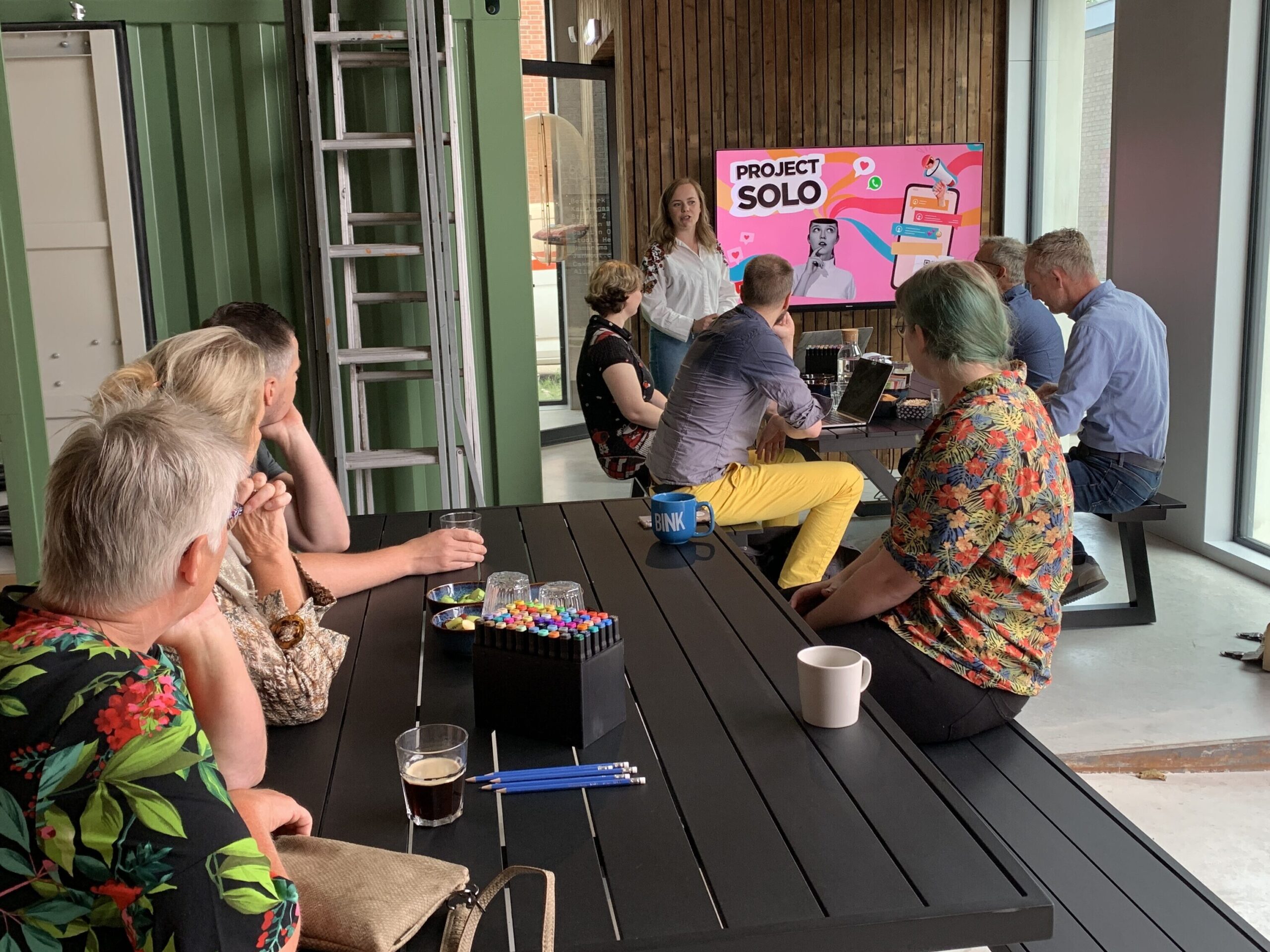

This reciprocal influence has shaped projects such as:
- Curricula for media arts in primary and secondary schools, helping pupils engage with media not only as consumers but as creators.
- A board game on identity and religion, developed with the University of Groningen, where play becomes a vehicle for dialogue on complex personal and social themes.
- A reflection toolkit for technical education, co-developed with TechYourFuture, designed to scaffold self-reflection in engineering contexts.
- Educational escape rooms that combine immersion, collaboration, and critical thinking.
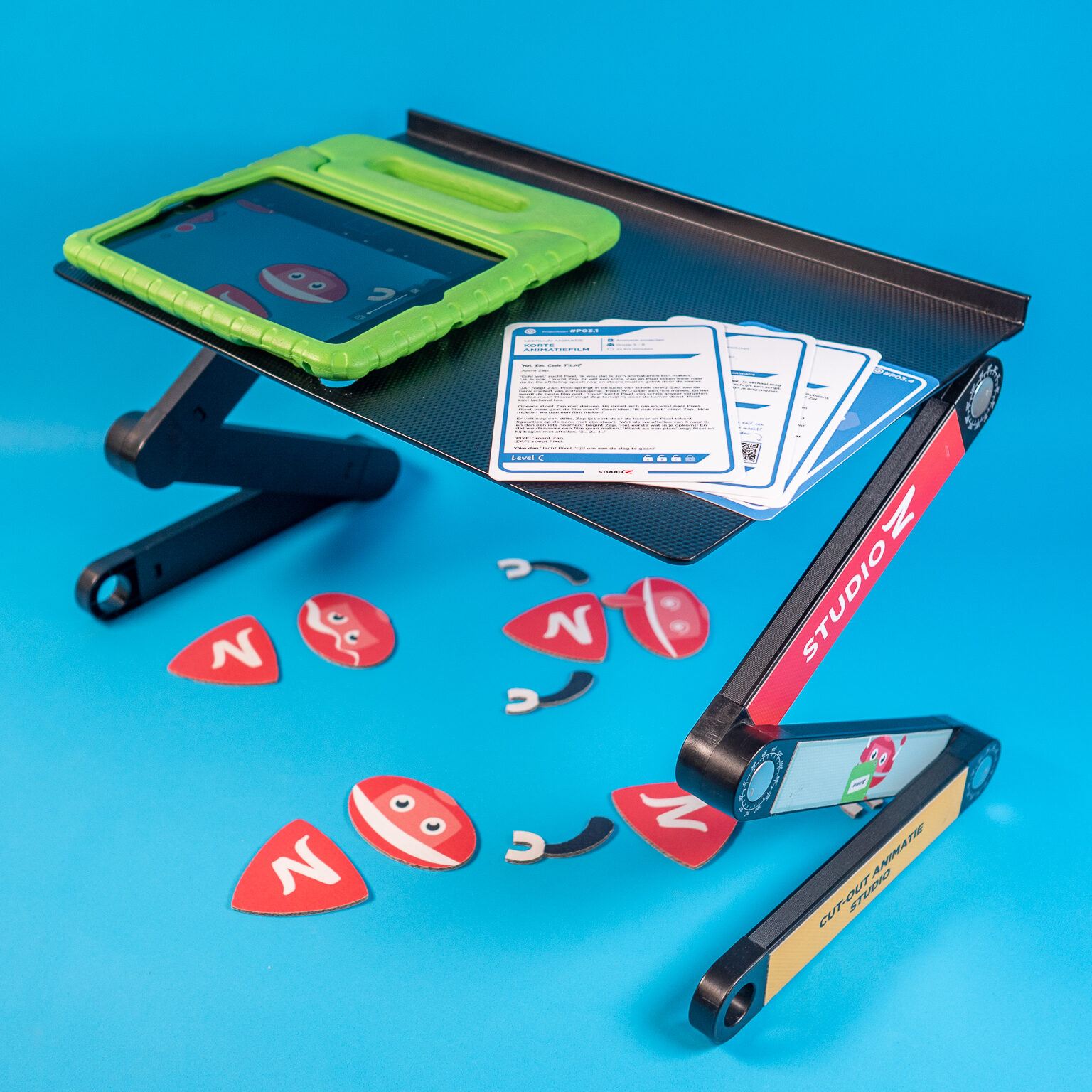
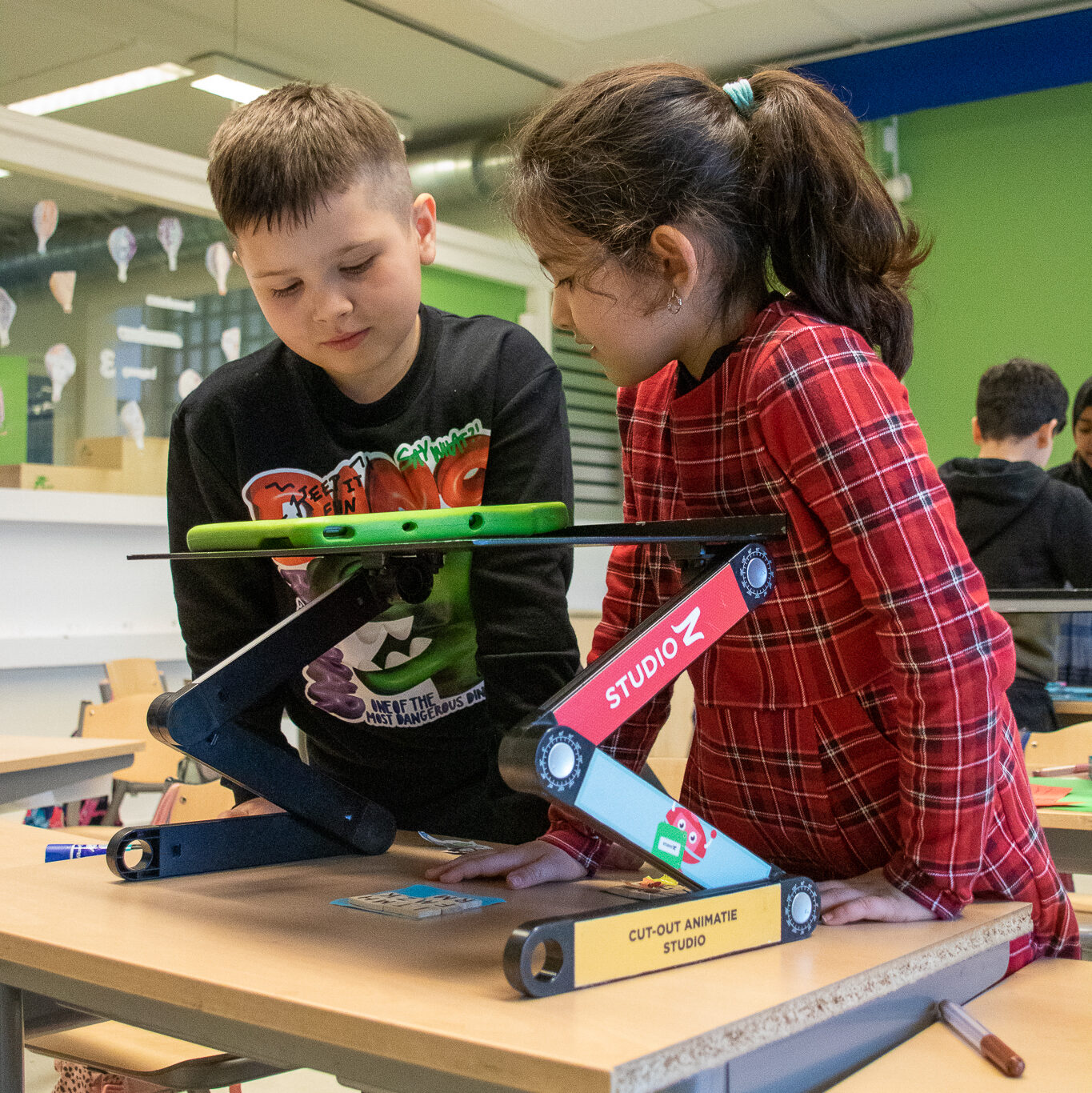
- 3D-printed and laser-cut iPad stands for animation and claymation, blending digital precision with analog creativity.
Each design is grounded in lived pedagogical encounters. Each, in turn, reshapes how I teach. Together they allow me to navigate the space between improvisation and structure, between the immediate encounter and the long-term architecture of learning.
Multimedia as Means, Not End
One of the defining features of my design philosophy is the way I approach multimedia. I often combine technology with tactile, analog materials.
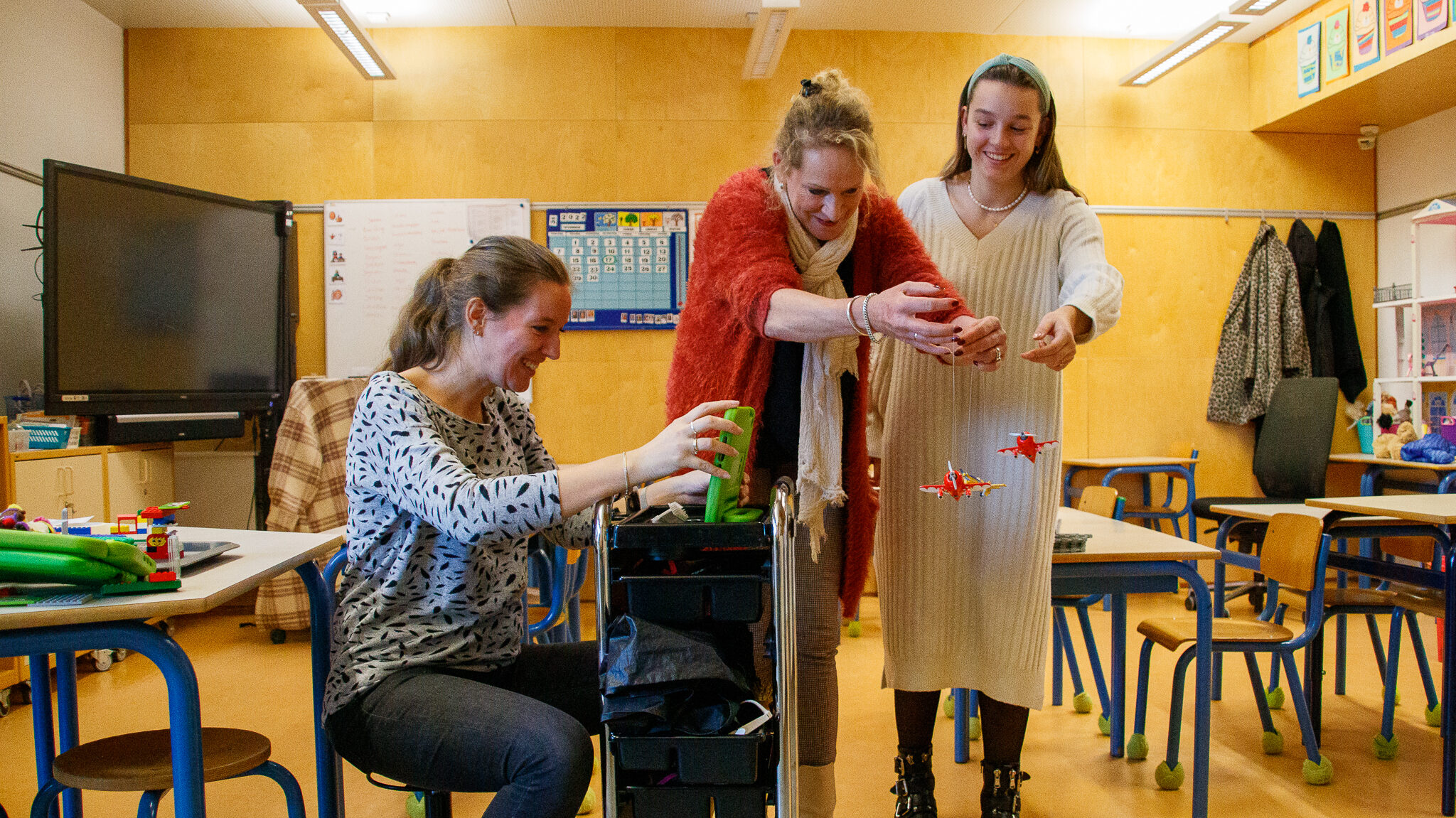
Technology, in my view, is never an end in itself. It is always a means. I deliberately choose proven, accessible media forms because the medium should never obstruct the learner’s relationship to the content. The digital must serve the pedagogical, not the other way around.
For example, the iPad stands I designed for animation were never about showcasing 3D printing or laser cutting as such. They were about enabling students to create animations with their hands — to manipulate paper, clay, and light — while leveraging the accessibility of tablets. The design fused analog immediacy with digital efficiency, creating a hybrid learning tool that foregrounded creativity rather than technology.
The Aesthetics of Learning
Another principle I hold is the importance of beauty in educational design. Well-crafted materials matter. Learners invest more when they recognize that their teacher or designer has invested deeply as well.

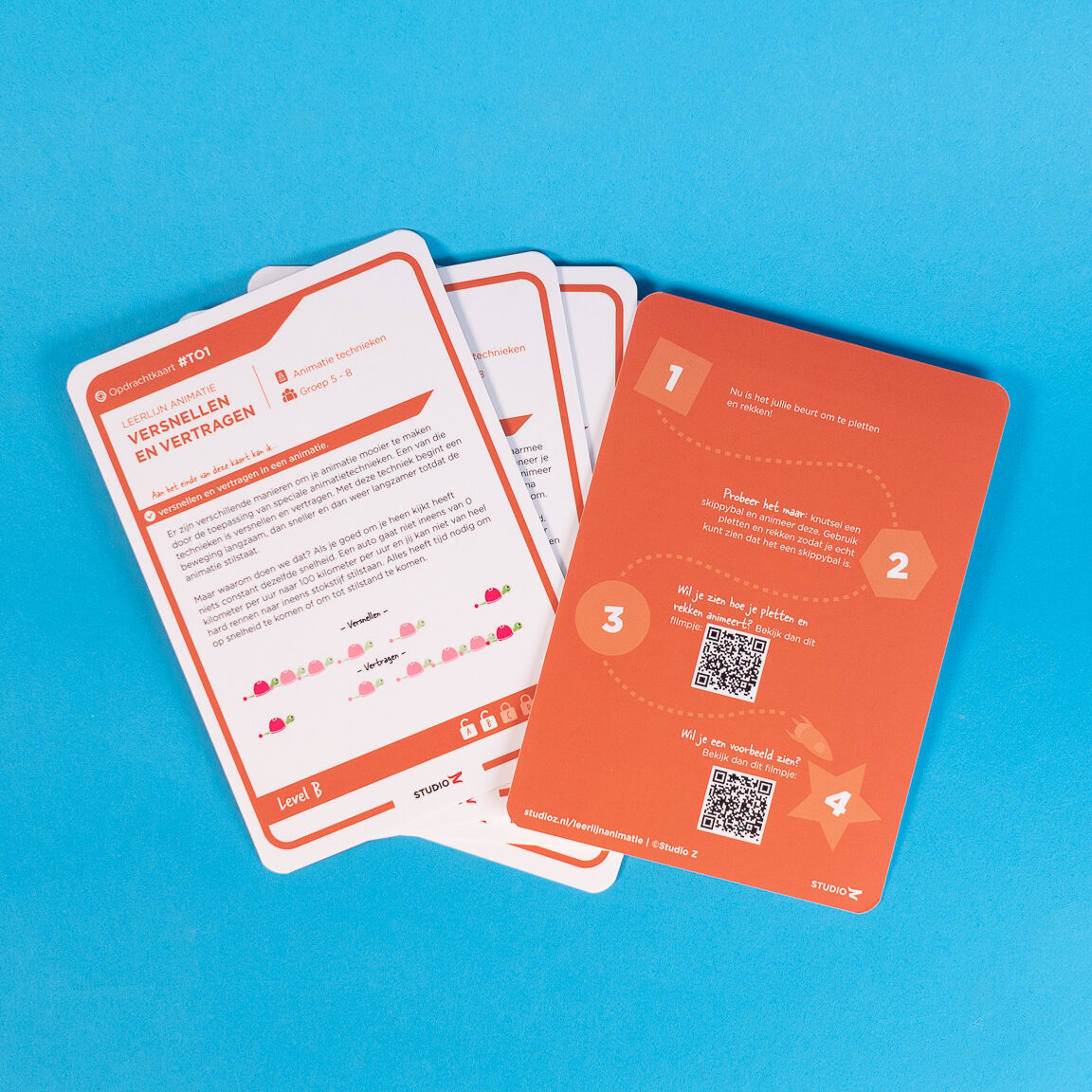

Aesthetic quality is therefore not an afterthought; it is pedagogically significant. Beautiful design communicates care, respect, and seriousness. It signals to learners: this experience is worth your time and attention.

This creates reciprocity. The care invested in design is mirrored in the care learners bring to their engagement. Education is not a one-way act; it is relational and mutual.
The Risk of Learning
Learning is never safe. It always involves risk: stepping into the unknown, confronting the possibility of not knowing who you are or how something works. This risk is what makes learning both unsettling and transformative.
As both teacher and designer, my task is to create conditions where that risk can be taken responsibly. I aim to provide both the challenge that makes learning meaningful and the grounding that makes it bearable. Paradoxically, it is in moments of uncertainty that learners most often encounter themselves anew.
“Learning is an optimistic act“
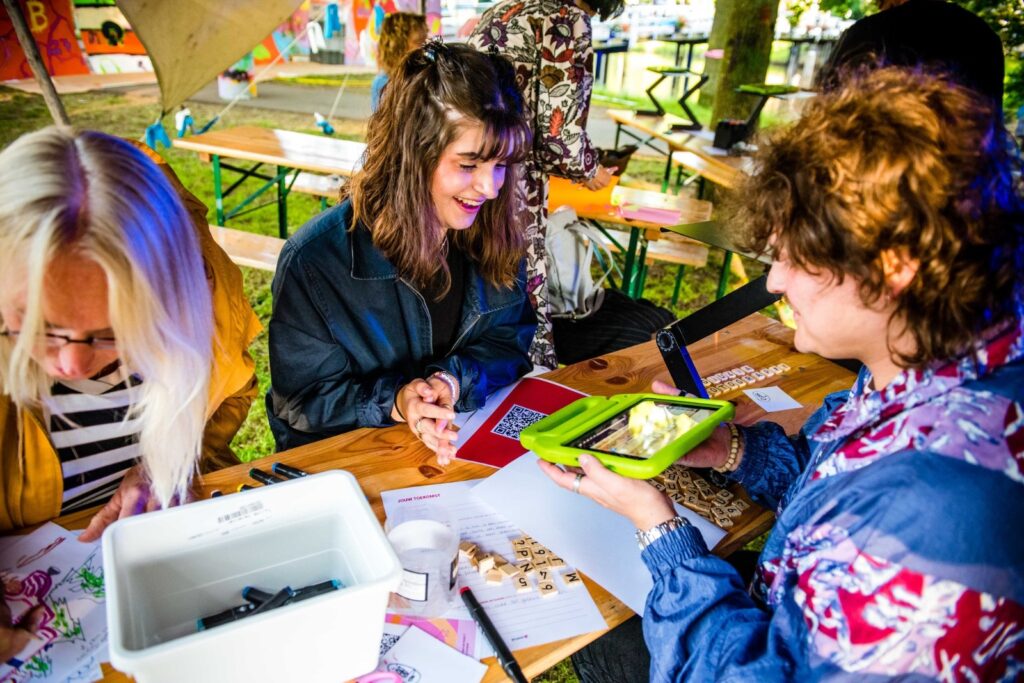
At its heart, learning is not only about progress or skill acquisition. It is an optimistic act: an investment in a future not yet determined, a wager that something larger than ourselves can be built together.
This is why I describe both teaching and design as practices of optimism. They are oriented toward futures we cannot yet fully imagine, toward possibilities that exceed the present. Whether through a seminar, a board game, or an escape room, the work is the same: to open spaces where learners can encounter themselves, each other, and the world in new ways.
Conclusion
Teaching and educational design continually shape and refine each other. Teaching grounds design in lived reality; design extends and deepens the work of teaching. Both are guided by the same commitments: to treat learners as whole participants, to privilege content and meaning over technological novelty, to honor aesthetics as pedagogically vital, and to cultivate the courage to risk transformation.
In the end, education is an optimistic, relational, and creative act. It is never only about what we know, but about who we are — together.
References
Brown, B. (2012). Daring Greatly.
Biesta, G. (2022). Wereldgericht Onderwijs.
Wenger, E. (1998). Communities of Practice: Learning, Meaning, and Identity.

