Art – Medium, Method, and Meaning
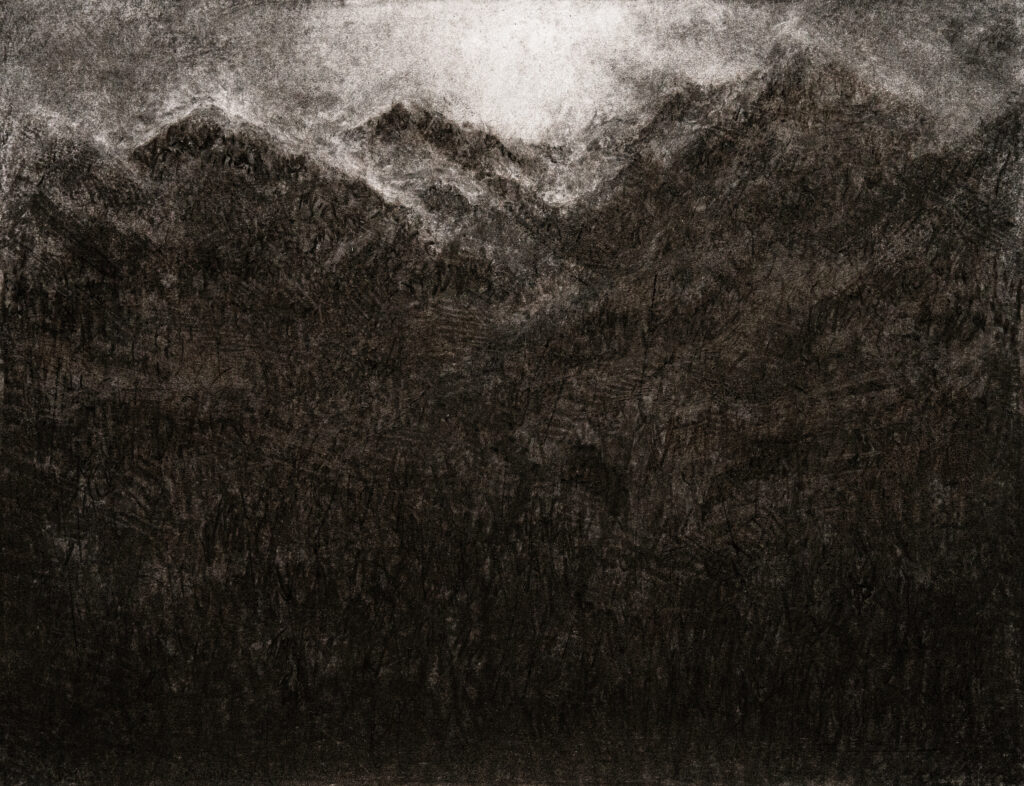
I was trained as a fine artist, with painting as my foundation. I chose deliberately: an art school that balanced the urgency of contemporary art with the discipline of craft. I wanted to learn how to think as an artist and how to paint as one. To me, centuries of European painting are a treasure trove of perfected craft and insight into the human condition — a vocabulary of light, form, and gesture that continues to shape the present.
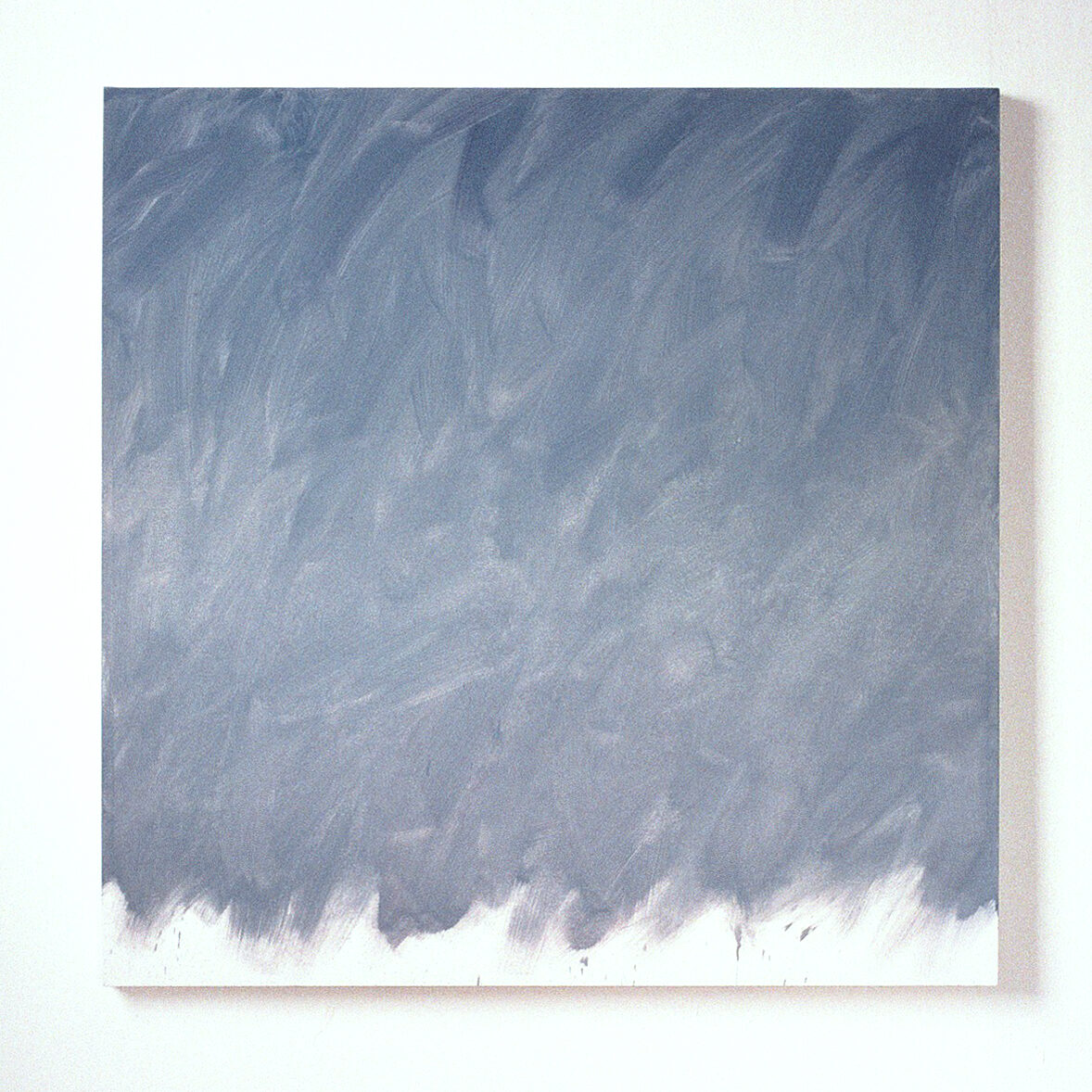
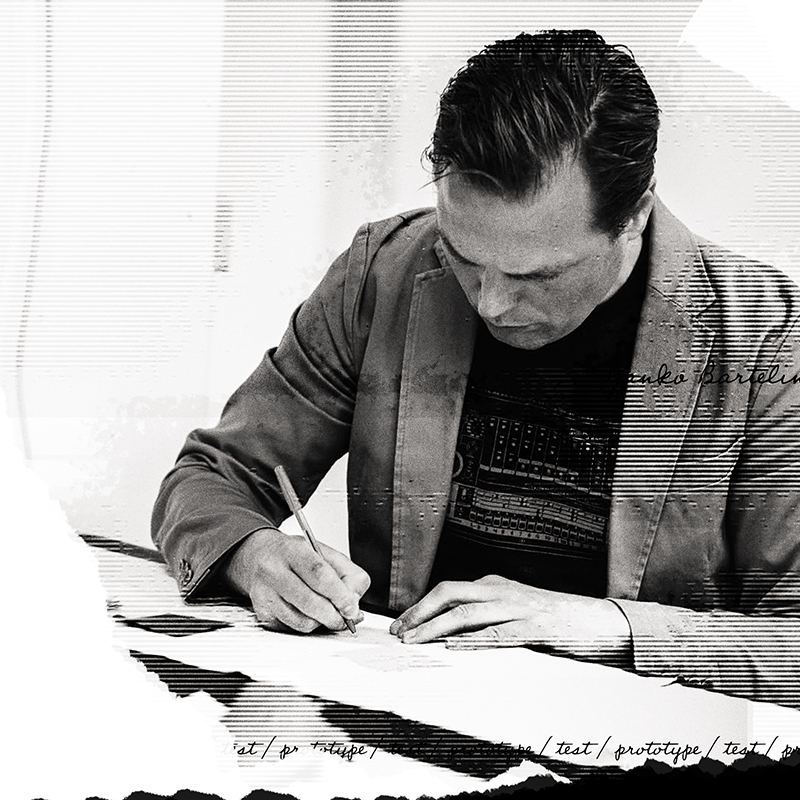
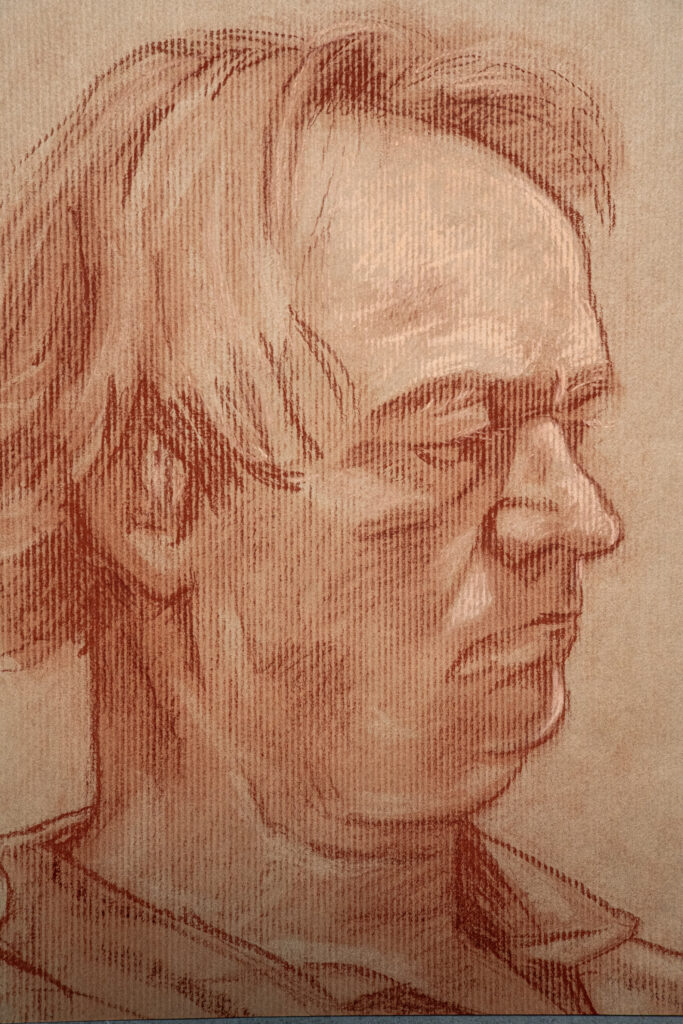
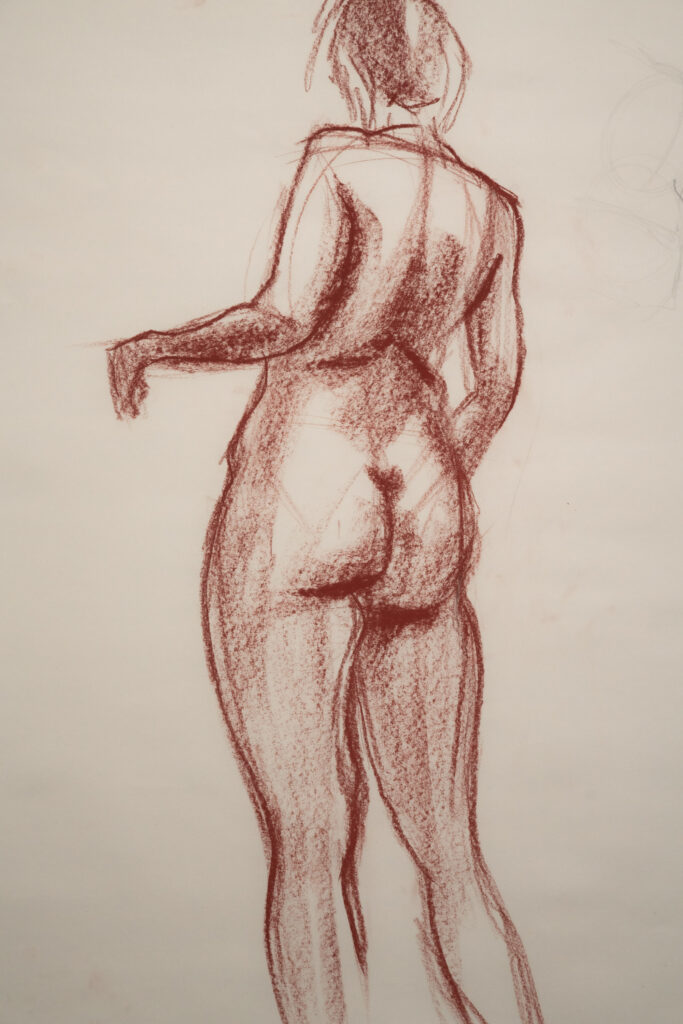
For years, I painted figuratively in oil. Portraits, landscapes, studies of the human figure. Dozens of self-portraits, each one both a mirror and a story. My fascination with portraiture has never left me. To this day I return to the discipline of drawing and painting figures, as a way of sharpening perception, of remembering that every line is a decision.
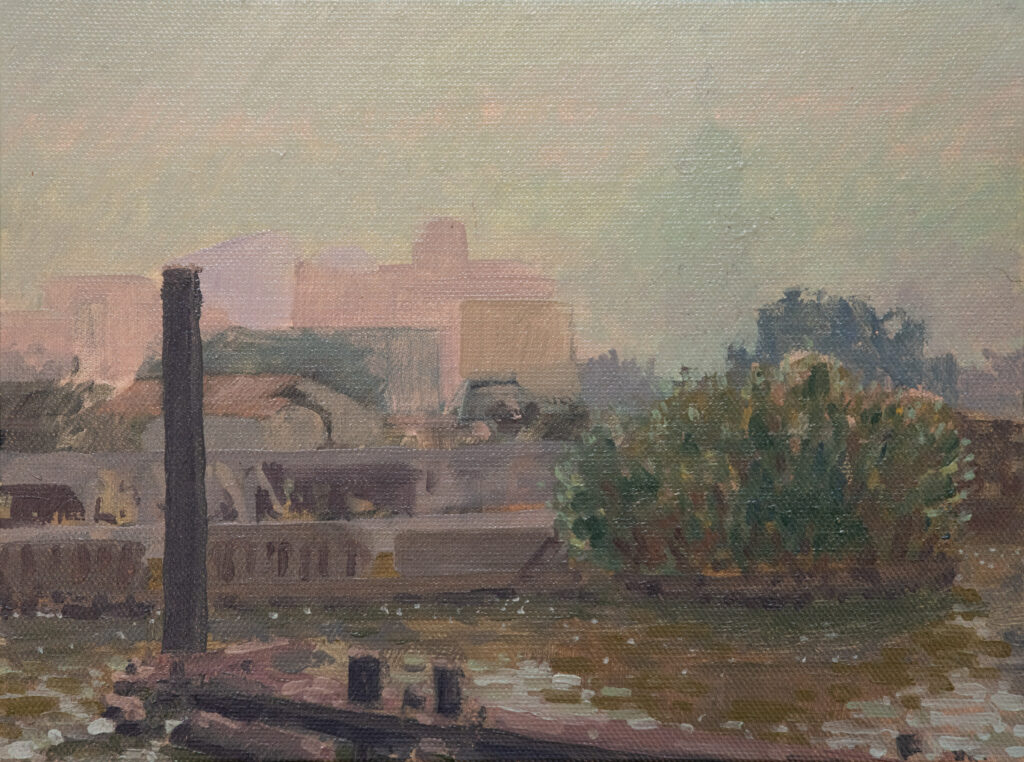
Landscape painting, too, has been formative. Standing on the banks of the IJssel with a pochade box and a field easel, I learned to work fast, to chase the fleeting conditions of light across water and sky. Those small canvases are exercises in presence — a practice of looking closely, of staying with the world as it shifts.
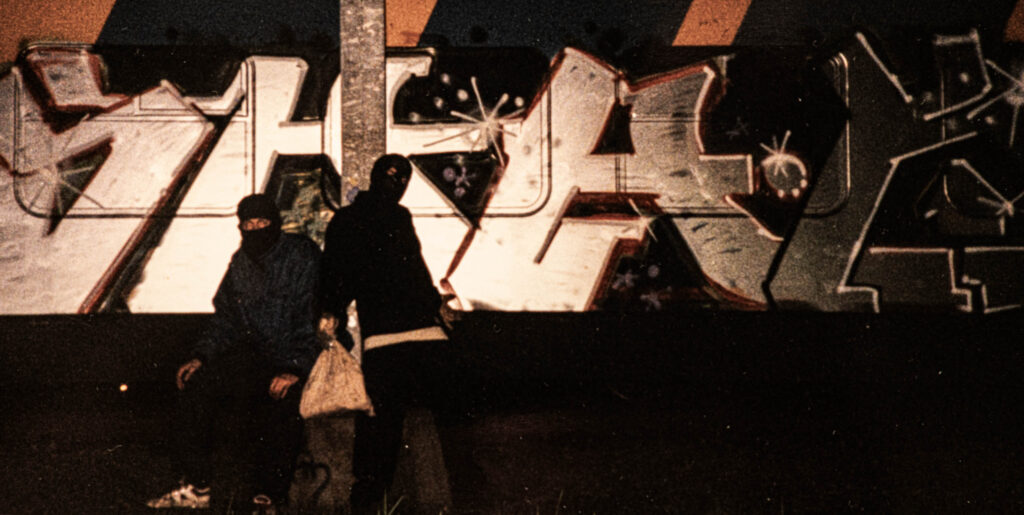
Yet even before the studios and still lifes, I had already learned to work fast — and to take risks. Long before I stood before a canvas, I was out on the streets with cans of paint, writing my name in color and motion. Graffiti was my first real teacher: composition learned in a single breath, typography as anatomy, rhythm as structure. It was also an initiation into a different kind of discipline — one that thrives in the margins, that tests the limits of where art is allowed to exist.
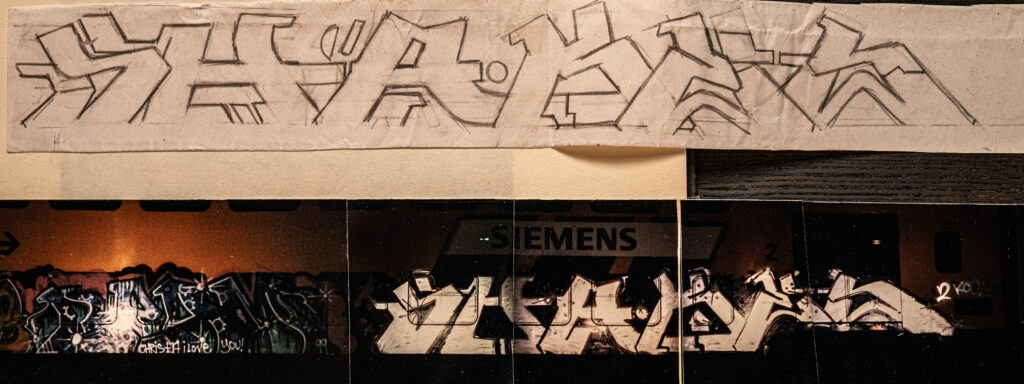
I grew up immersed in hip-hop culture — rapping with my brother, breakdancing, sketching outlines in blackbooks. My first alias, Sewa, came from a Das EFX lyric: “Straight from da sewa.” From there came the wall of fame in Apeldoorn’s Mheenpark, the crumbling concrete of the old Ekro slaughterhouse, and later the train yards at night — places where art, adrenaline, and identity collided. I’ve since changed names many times, often borrowing from mathematicians, physicists, or characters from gangster films.
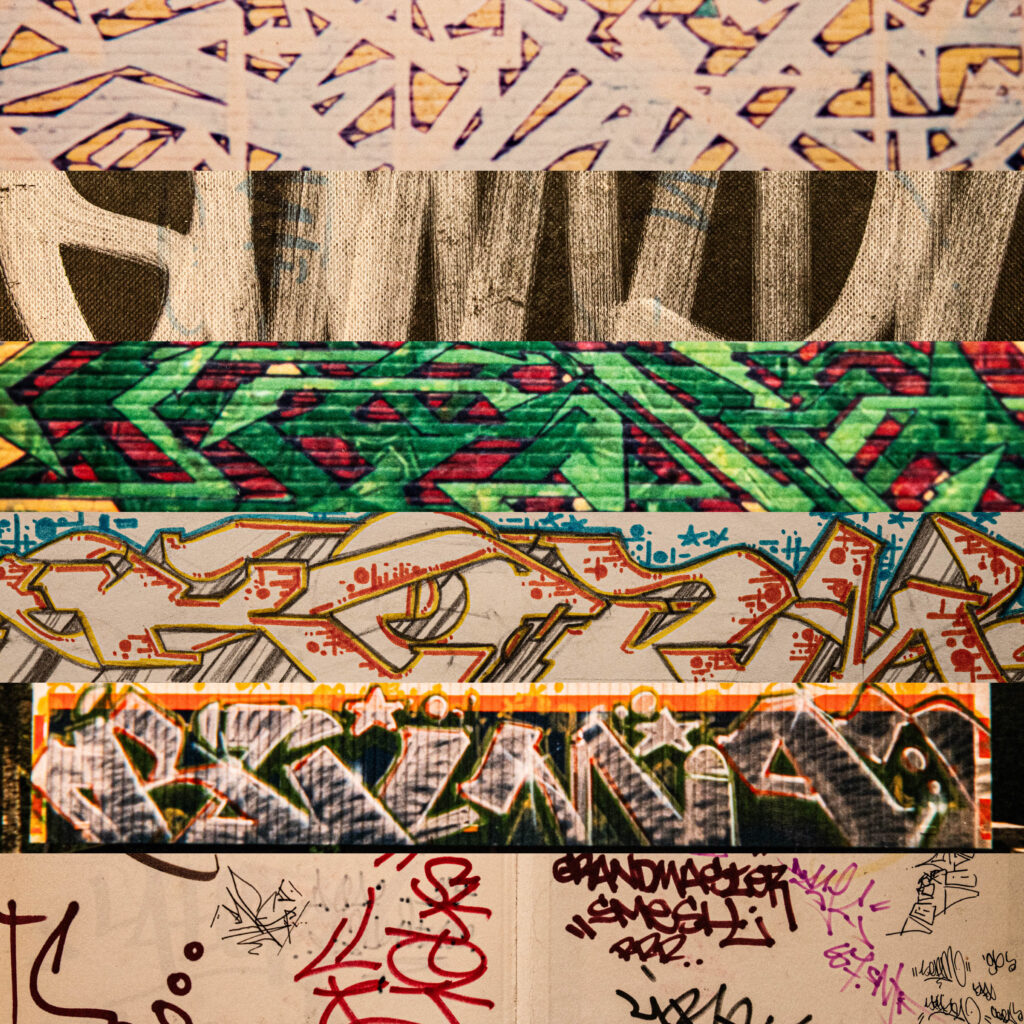
That early practice — fast, physical, improvisational — has stayed with me. I still paint occasionally, though less often now. The habits of attention, the willingness to experiment, the craft of iterating — they all stem from those years of both formal training and unregulated expression. Painting trained me to compose; graffiti taught me to transgress. Together they shaped an artistic way of thinking: to test, to layer, to leave space for accident.
This sensibility exists alongside, and in tension with, another formative thread in my life: science. Before I went to art school, I studied applied physics at the University of Twente. Ultimately, I left because the program felt too utilitarian, too narrow in its conception of knowledge. My interest in science has always been reflective, philosophical: the question of how we know, what we assume, what patterns we project onto the world.
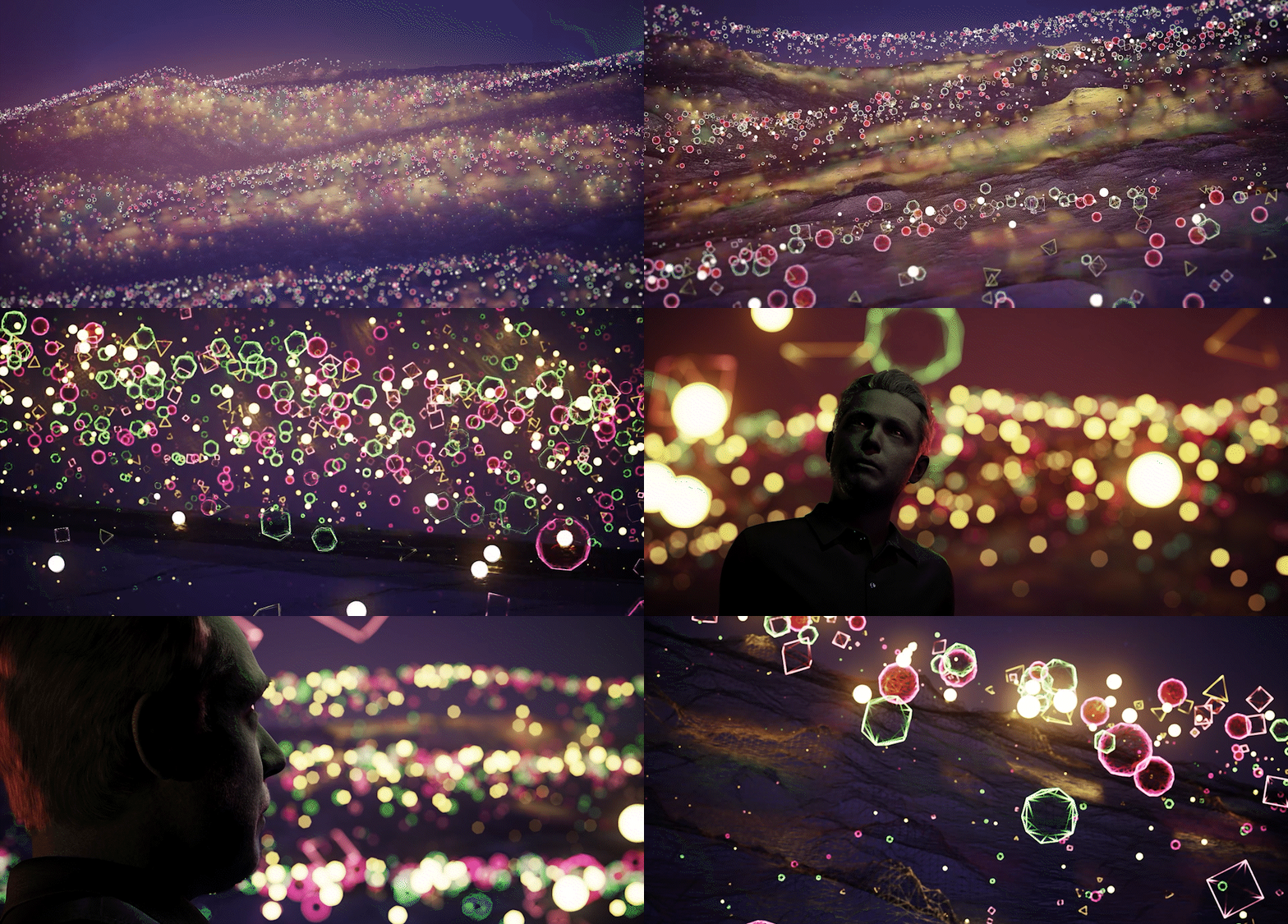
Still, those years gave me something invaluable: a scientific way of thinking. The discipline of grappling with difficult concepts until they yield clarity. The insistence on process, on logic, on grounding abstractions in application. Ever since, I have kept studying. I have taken deep dives into physical geography, biology, ecology, evolutionary theory, meteorology, oceanography, calculus, cosmology, astrophysics — teaching myself through university-level textbooks, aiming for comprehension of first principles.
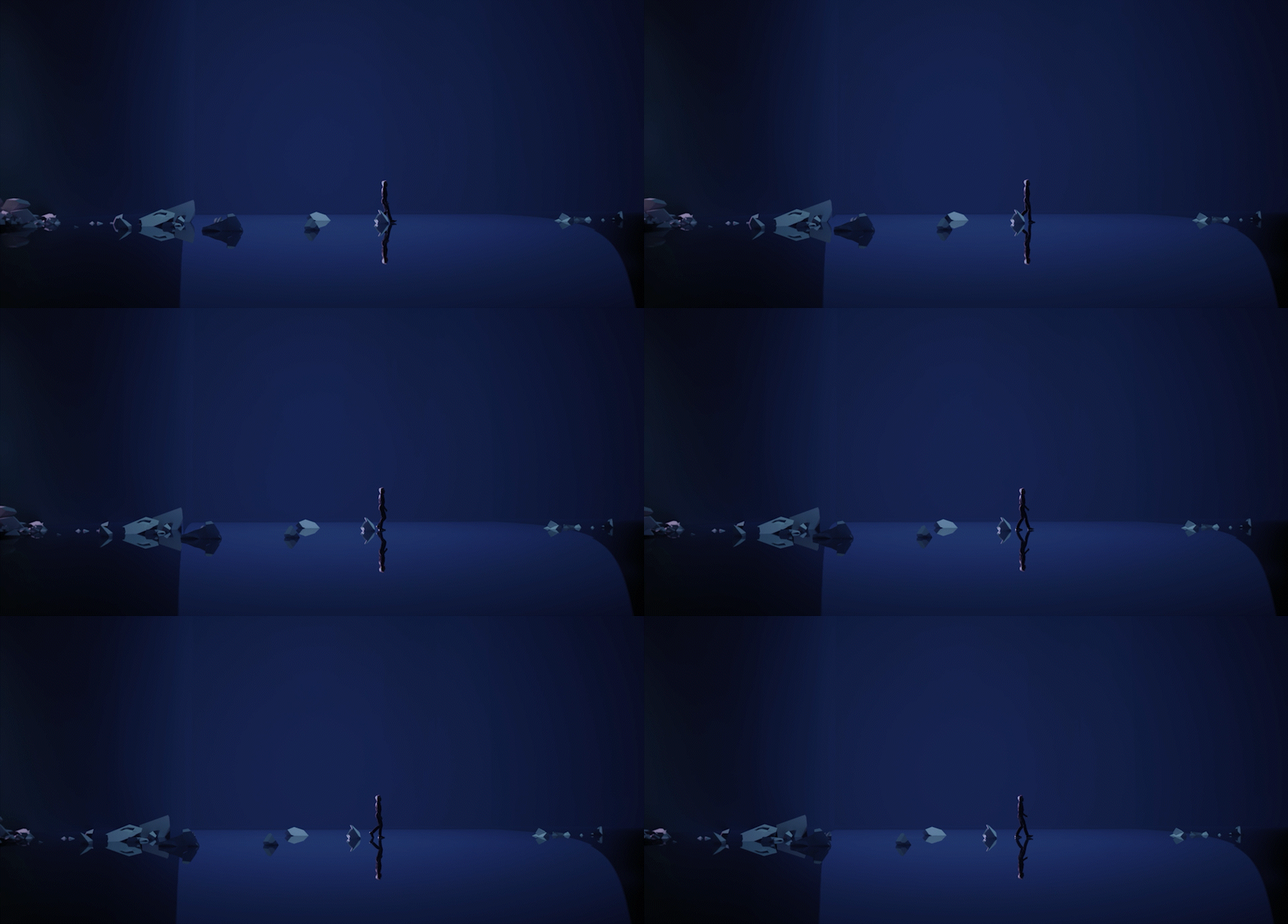
Alongside this, I have studied philosophy, especially the philosophy of science and the philosophy of art. Nietzsche in particular continues to resonate with me: his sense that knowledge is always bound up with life, with perspective, with the creation of meaning.
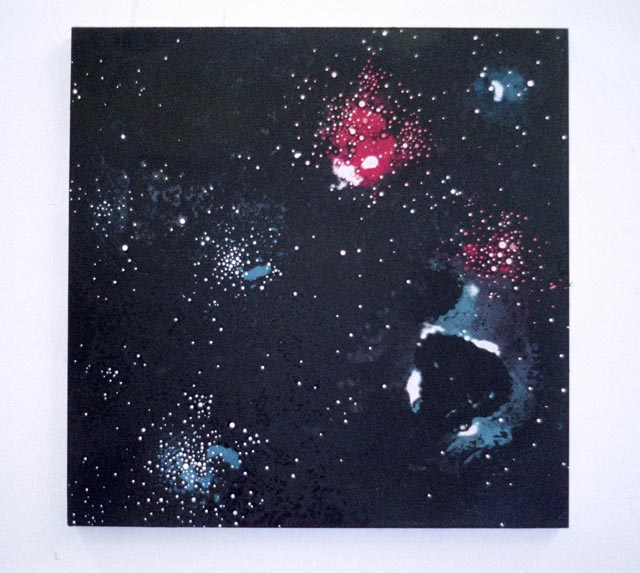
What emerges is a synthesis of the artistic and the scientific. The subjective and the objective. The intuitive and the systematic. This dual orientation defines how I see the world and how I act in it. My work — whether in art, in education, in research, or in leadership — grows out of this merger. To think like an artist and like a scientist at once: that is both my method and my ambition.