

Entrepreneurship as Pedagogy
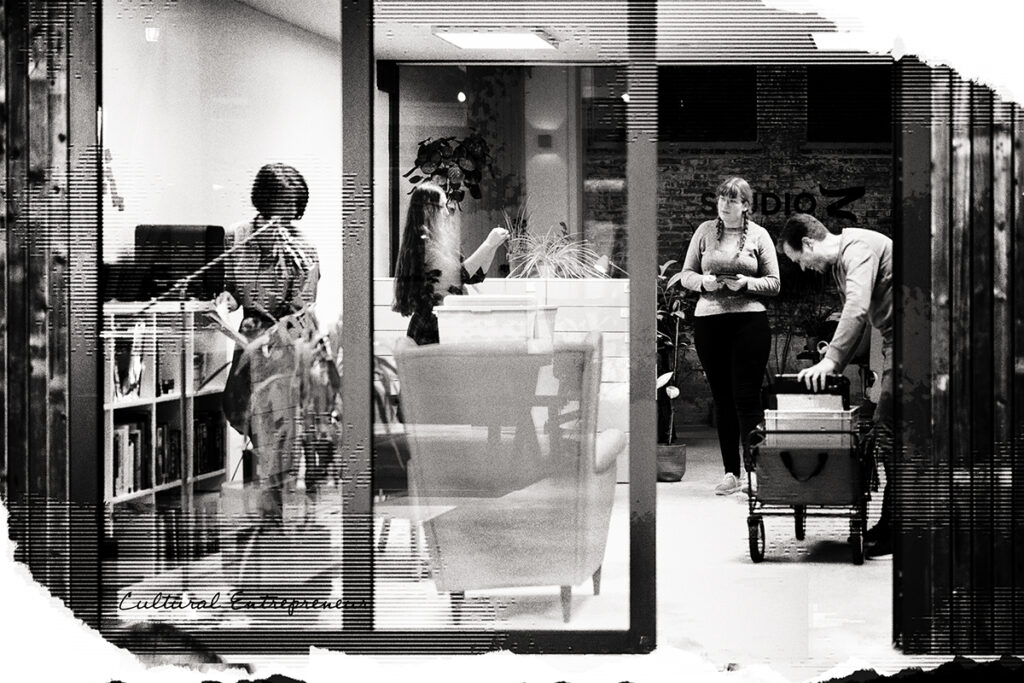
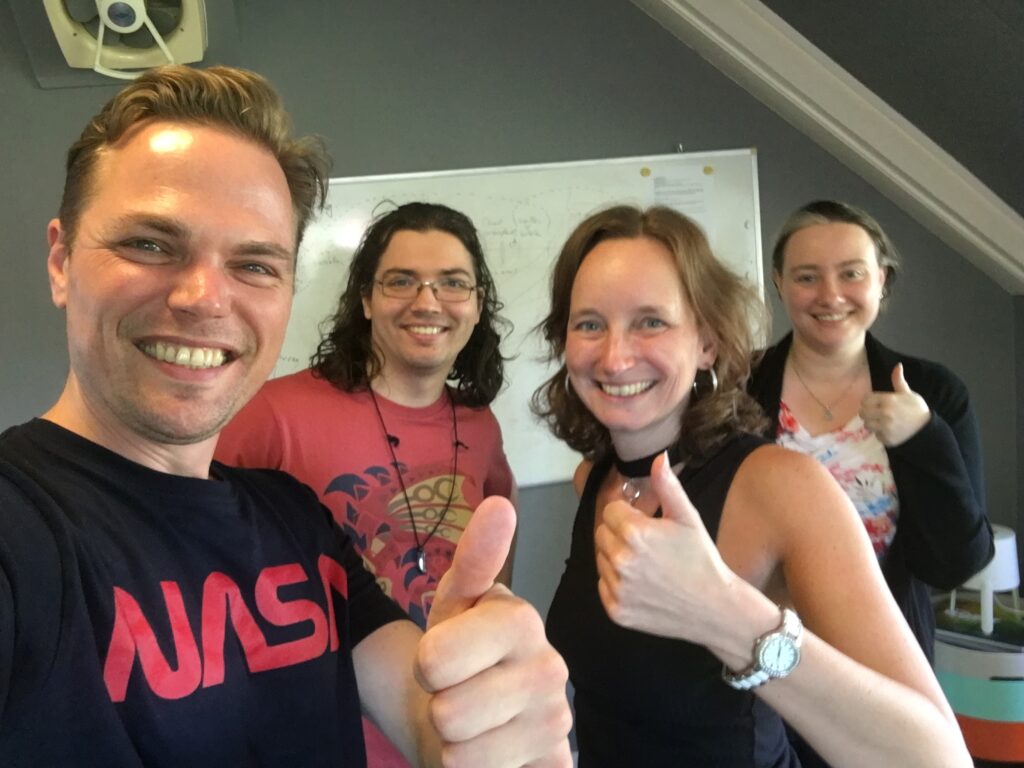
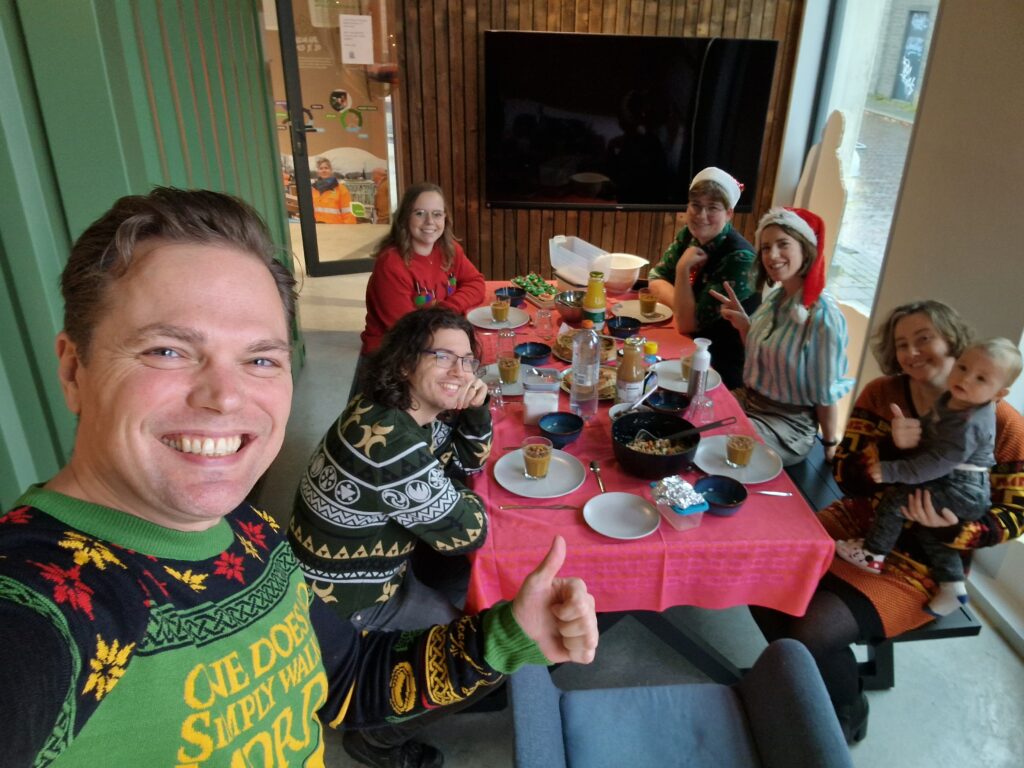
From 2008 to 2024, entrepreneurship was my daily practice. It started as a one-man video production company, occasionally facilitating art workshops, and grew into animation and eventually a full-service educational design agency: Studio Z B.V. Over time, Studio Z became a place where we designed and delivered learning experiences for schools, museums, and cultural organizations throughout the Netherlands — with a team that expanded to a core of 5 employees and a flexible circle of around fifteen freelance educators and makers.
From Making to Enabling
My starting point was always the act of making itself: designing, filming, animating, editing. The turning point came when I realized that clients didn’t just need “a video,” but above all a learning experience that could shift behavior, insight, or attitude. That changed the focus: from product to pedagogy, from output to impact.
This shift is visible in the profile and mission of Studio Z: an educational design studio that helps translate complex societal issues into engaging and impactful learning experiences, using media such as design, video, animation, games and music — from research and concept through to production and implementation.
Scaling with Care
Scaling for us was never just about turnover or size; it was about safeguarding quality while expanding reach. Over the years, we worked with hundreds of schools in Gelderland and Overijssel — a scale only sustainable if knowledge is captured and made transferable.
To achieve this, I developed Studio Z Academy, an internal learning environment in Google Cloud where we translated tacit knowledge into accessible tutorials and formats for onboarding, upskilling, and briefing freelancers. Supported by the Dutch SLIM subsidy, this initiative ensured that new colleagues and educators reached the right level more quickly and consistently, without losing their individuality.

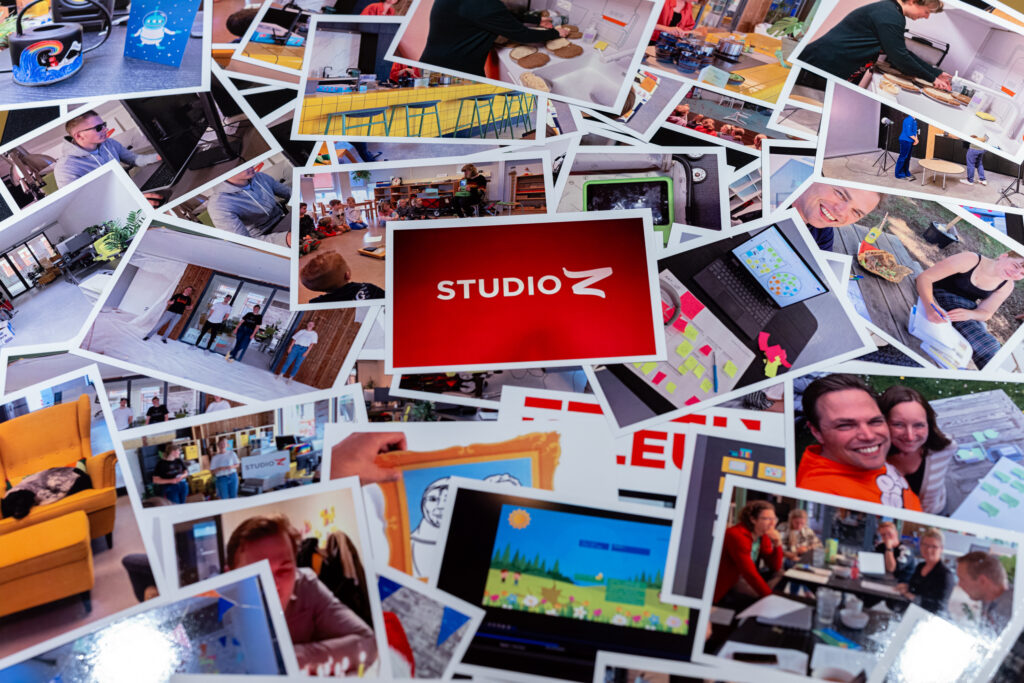
Another strategic choice was to combine custom projects with standardized workshop lines. Custom work kept us relevant and sharp; standardized formats ensured predictability in quality and planning. This dual approach is visible in our portfolio: from a historical Hanseatic podwalk in Deventer, to a toolkit for inclusion of visually impaired people in online meetings, to Project SOLO on loneliness secondary education students.
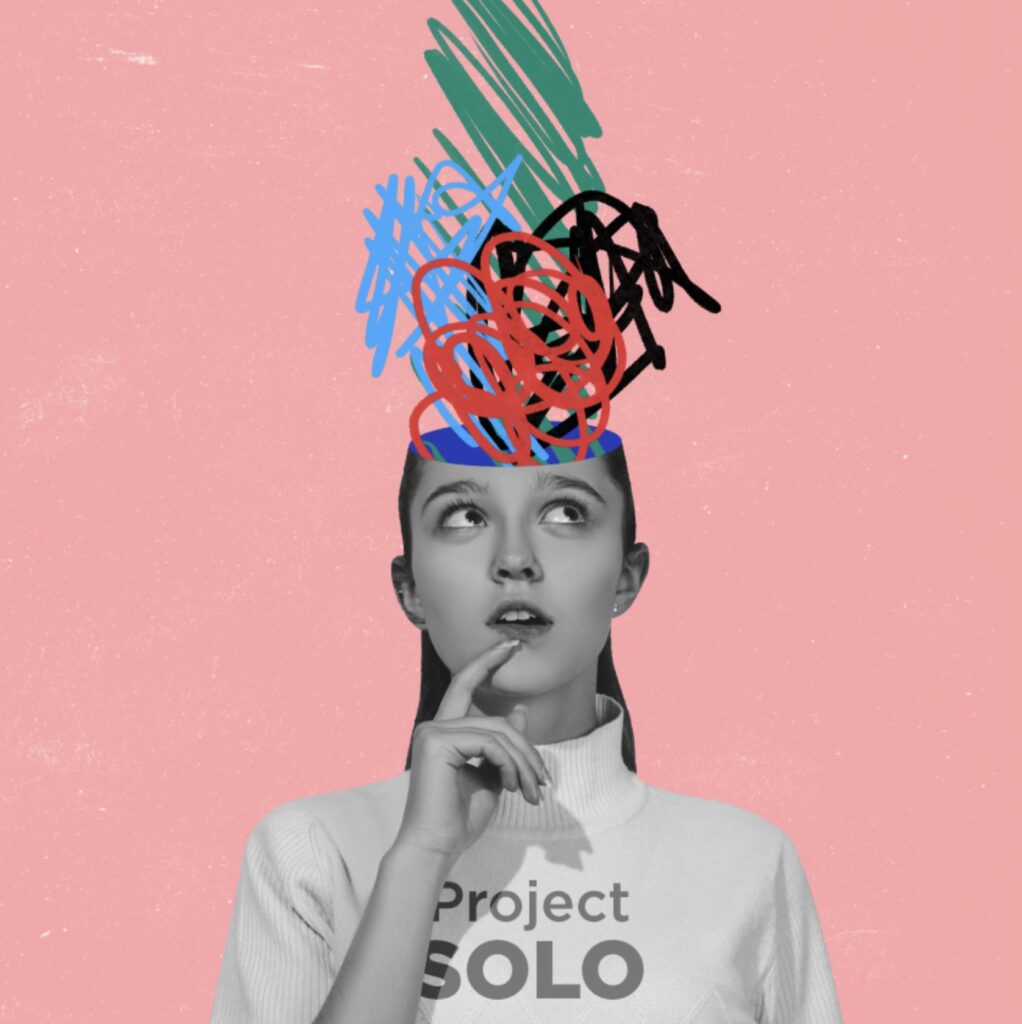
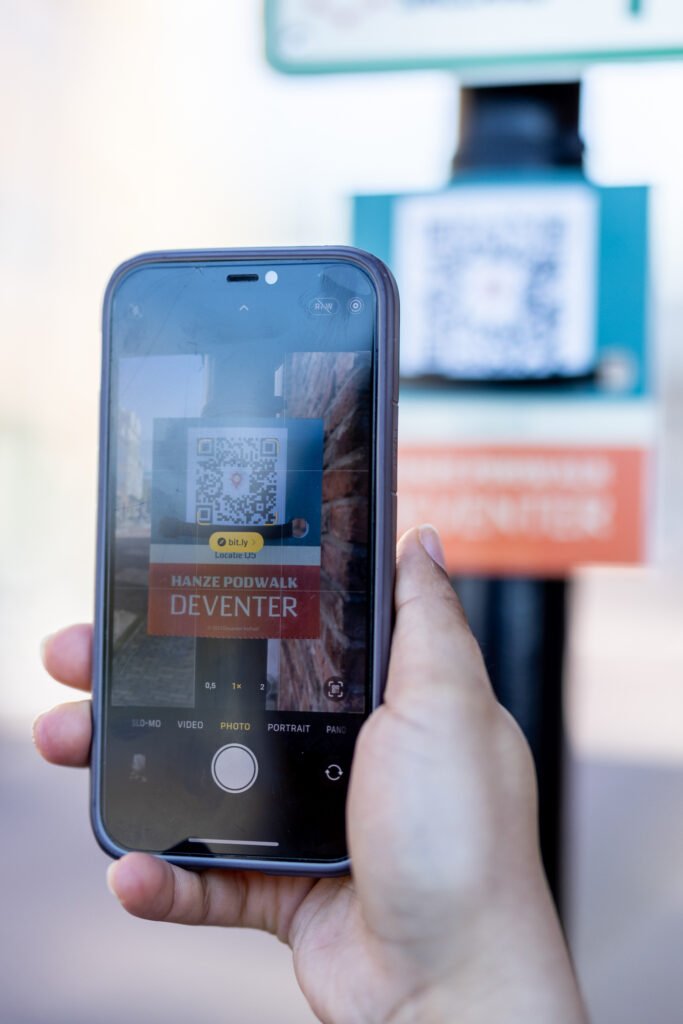
Leadership in Practice
My leadership style grew out of the combination of creative practice and educational logic: co-creation, clear frameworks, and strong ownership within the team. I managed based on principles (integrity, curiosity, creativity, ambition, authenticity) and on outcomes rather than hours.
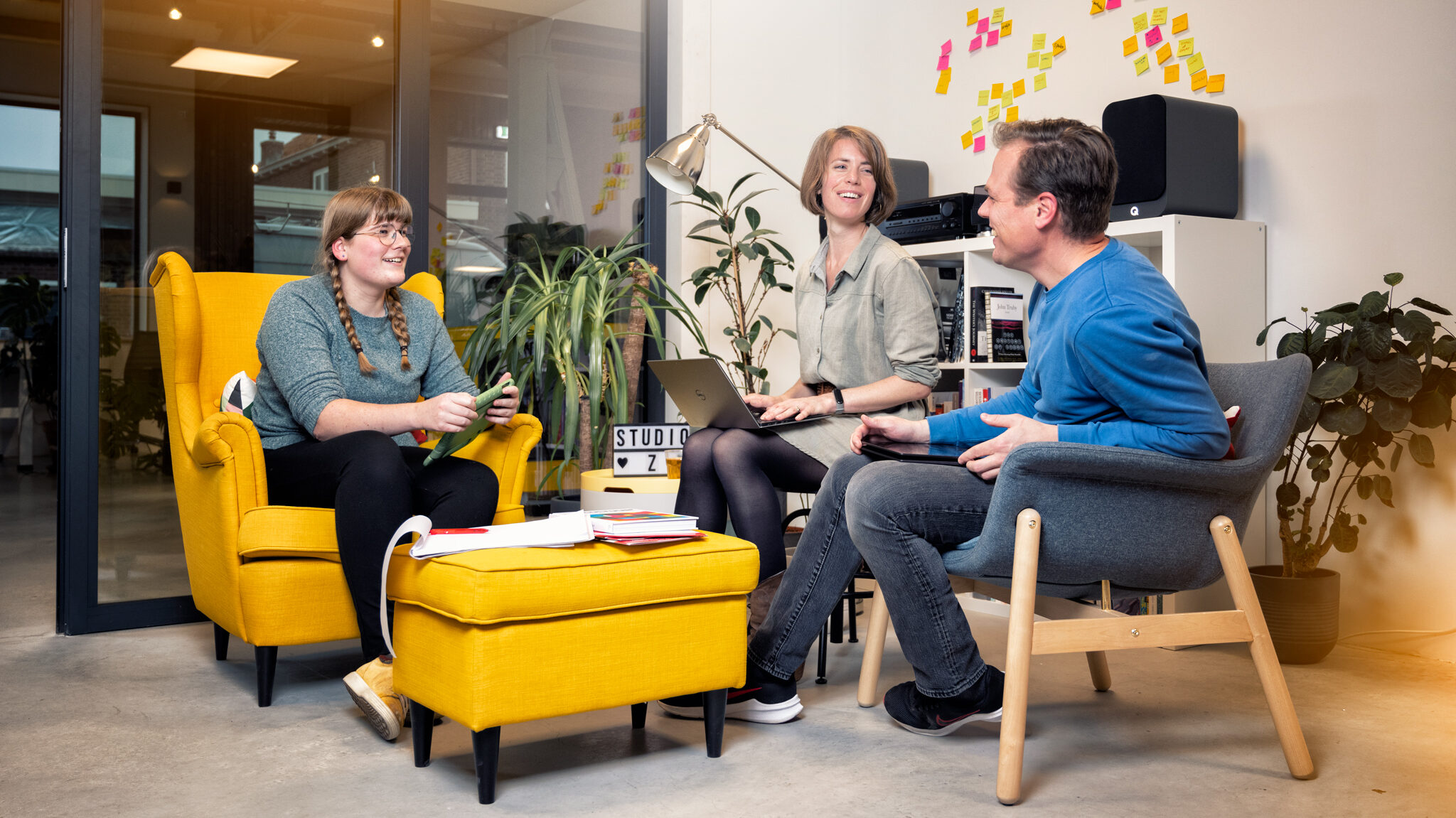
Leadership also means opening the doors to the outside world. I actively sought collaboration with universities of applied sciences, cultural partners, and public bodies, especially on complex, societal issues. This not only produced stronger projects, but also external recognition — for example, when my proposal for Provincie Overijssel won the Low Literacy Challenge with a campaign for employers: “Low literacy? Not in my company!”
Lessons Learned
- Focus matters. Doing too much at once diluted our energy. Narrowing down to “educational design with media expertise” created clarity and direction.
- Knowledge is a product. Documenting, not just delivering, proved crucial. The Academy paid off in higher quality, faster onboarding, and more consistent execution.
- Impact is relational. The strongest projects emerged at the intersections of education, culture, and research — in collaborations on inclusion, literacy, heritage, and citizenship.
- Scale requires standardization. Formats weren’t a straitjacket but a lever: they made custom projects feasible at scale.
- Companies are temporary, learning is perpetual. After fifteen years of building, I chose to change course and carry this entrepreneurial mindset forward into research and education.
Entrepreneurship as Pedagogy
Looking back, I see entrepreneurship as a pedagogical practice: creating conditions in which others can learn, experiment, fail, and succeed.
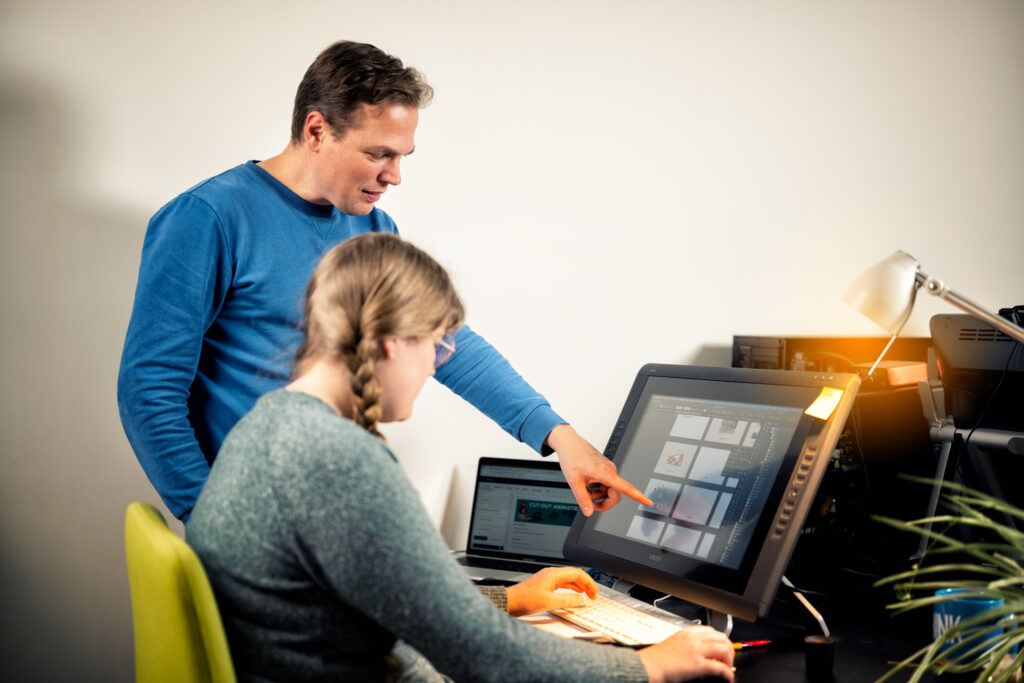
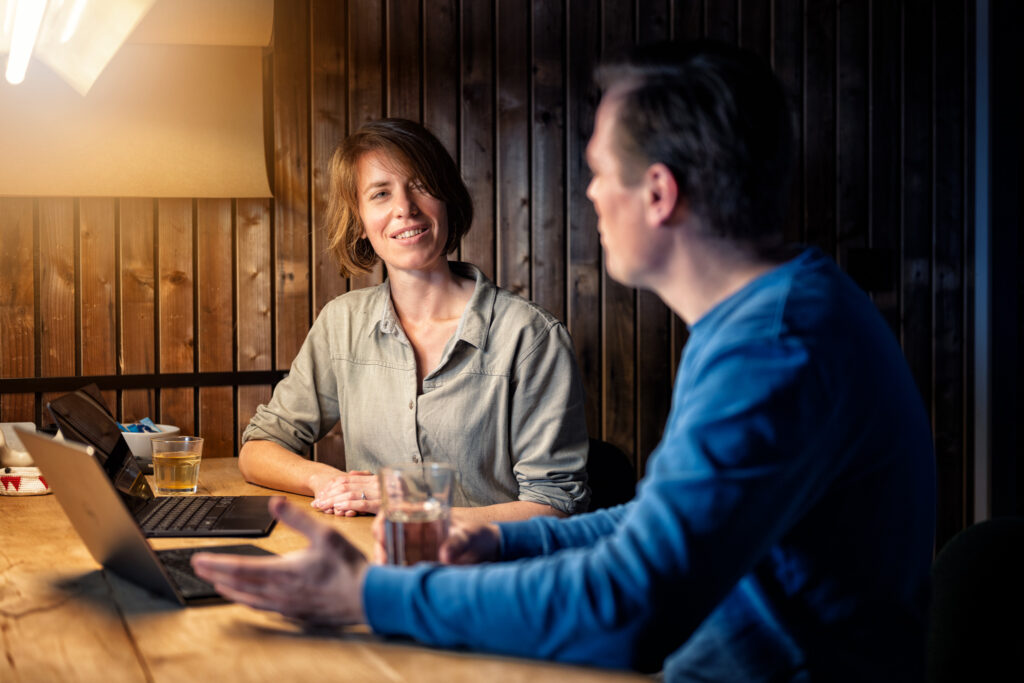
In projects on inclusion, education, (digital) literacy, and heritage, I kept asking the same central question: What learning process do we want to spark, and what is needed to help people enter it safely and with curiosity? That question became the core of my entrepreneurship — and remains at the heart of my work today as a lecturer, researcher, and designer of learning environments.


